Our Environment

Metropolitan Mine is committed to responsible and sustainable practices, continuously working to comply with environmental and regulatory standards.
Monitoring the impact of our activities

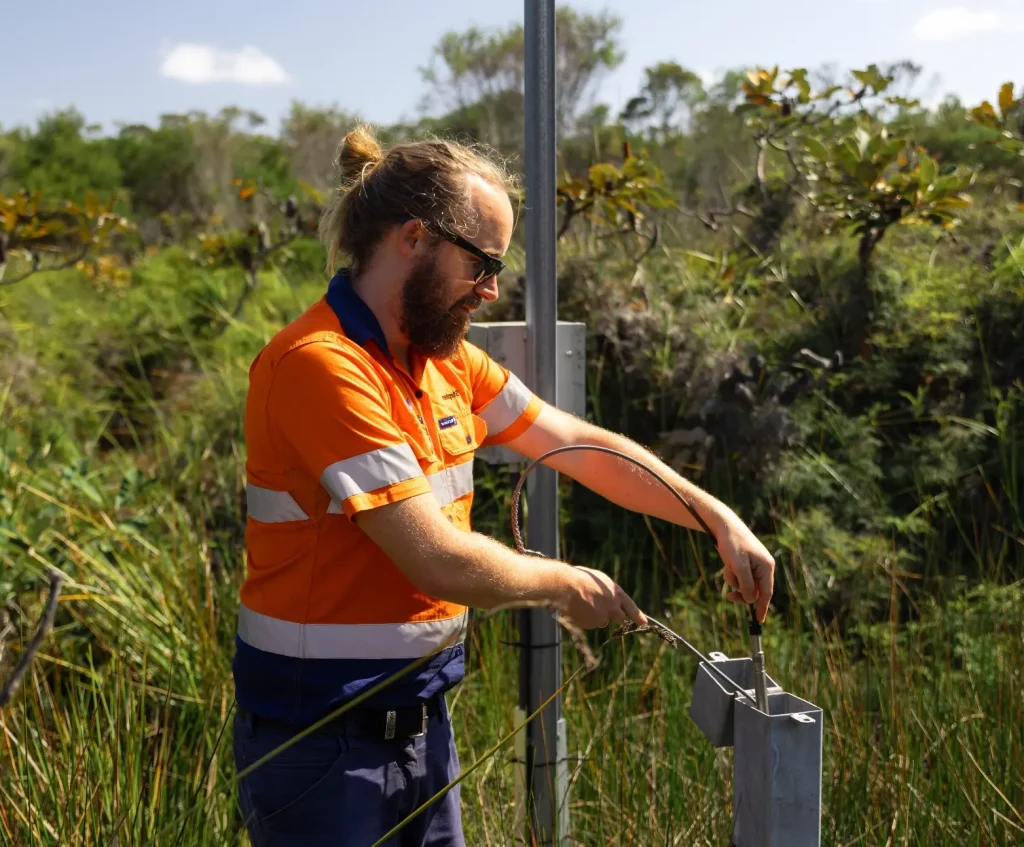
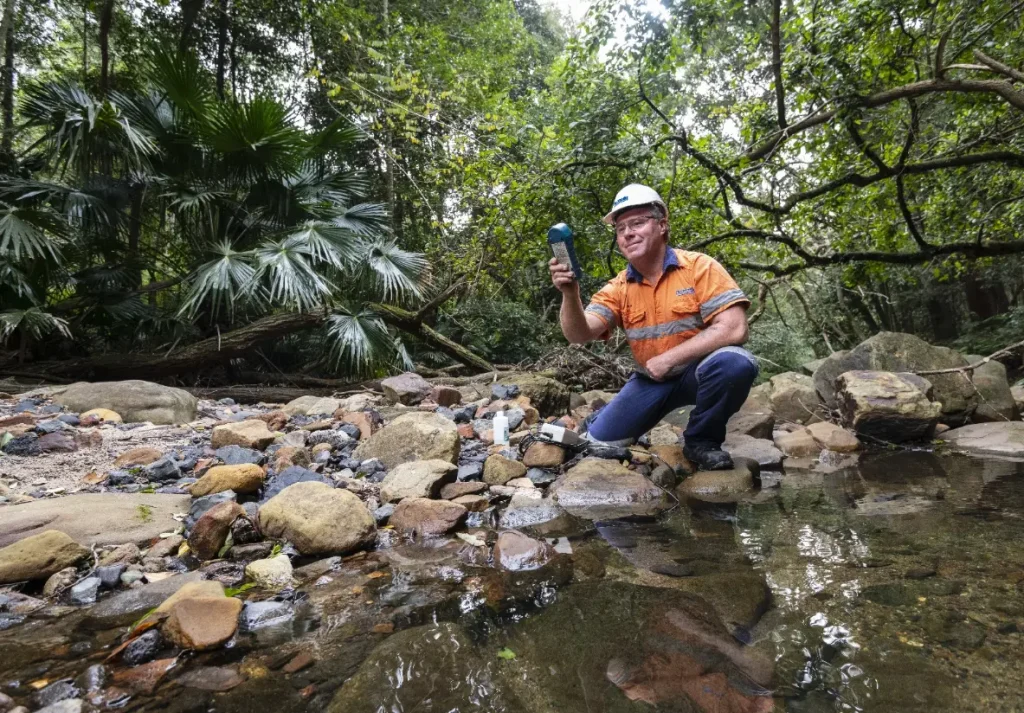
Our environmental specialists continuously monitor noise, air quality, water and meteorological conditions using real-time systems that inform daily operational decisions and responses when conditions change.

Transparent reporting includes publicly accessible real-time water quality data for Camp Gully Creek, supported by monthly and annual reporting. The team maintains long-term monitoring programs for sensitive ecosystems such as upland swamps and watercourses using piezometers, vegetation surveys and aerial imagery.

Managing the impact of our activities

Our targeted plans manage and minimise impacts and we adapt our operations with:

  • Highly conservative underground mining layouts to minimise surface impacts.
  • Water sprays and dust suppression on roads and stockpiles.
  • Enclosed Coal Handling and Preparation Plan to reduce noise.
  • Response plans for rapid action if monitoring detects changes.
  • Innovative remediation techniques pioneered at Metropolitan to rehabilitate stream impacts.

Watercourses

The mine operates beneath the Woronora Reservoir catchment, where streams and creeks are critical to ecosystems and water supply. 
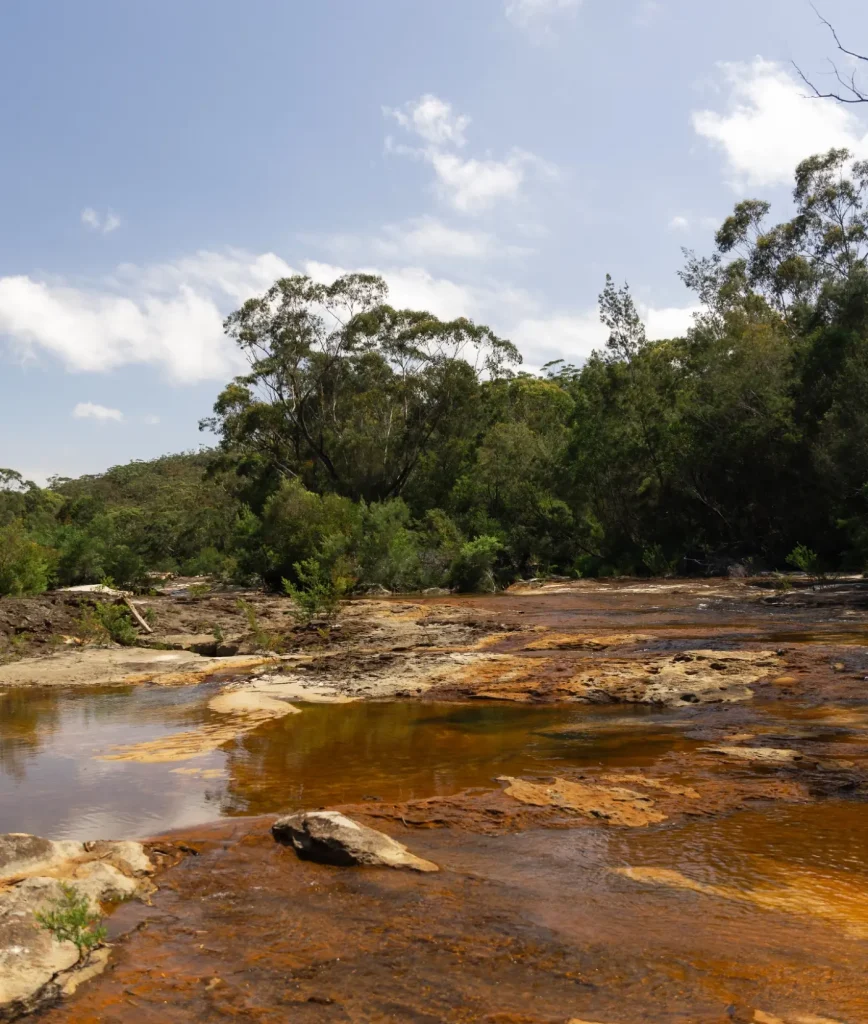
  • To reduce subsidence, the mine uses some of Australia’s narrowest longwalls, accepting a lower coal yield. 
  • This design minimises surface cracking. 
  • Impacts are managed through monitoring of water levels, flows, and water quality before, during, and after mining.

Upland Swamps

Upland swamps rely on groundwater and support unique ecosystems but mining-related subsidence may affect water movement and soil moisture. 

  • Metropolitan reduces risk by shortening longwall panels and widening underground pillars near sensitive swamps.
  • This approach limits surface movement. 
  • Comprehensive monitoring of groundwater, soil moisture, vegetation, and surface conditions is supported by response plans for rapid action if unexpected changes occur.

Managing Emissions

Metropolitan Mine recognises the importance of addressing climate change and its responsibility to manage and reduce greenhouse gas emissions. 

  • The operation reports emissions in line with the National Greenhouse and Energy Reporting Act and complies with the Federal Government’s Safeguard Mechanism. 
  • This framework sets strict emissions baselines. 
  • Metropolitan is investing in emissions-abatement infrastructure to capture and destroy methane before release to the atmosphere.

Cultural Heritage

The mine’s lease contains Aboriginal cultural heritage sites, including rock art and grinding grooves. 
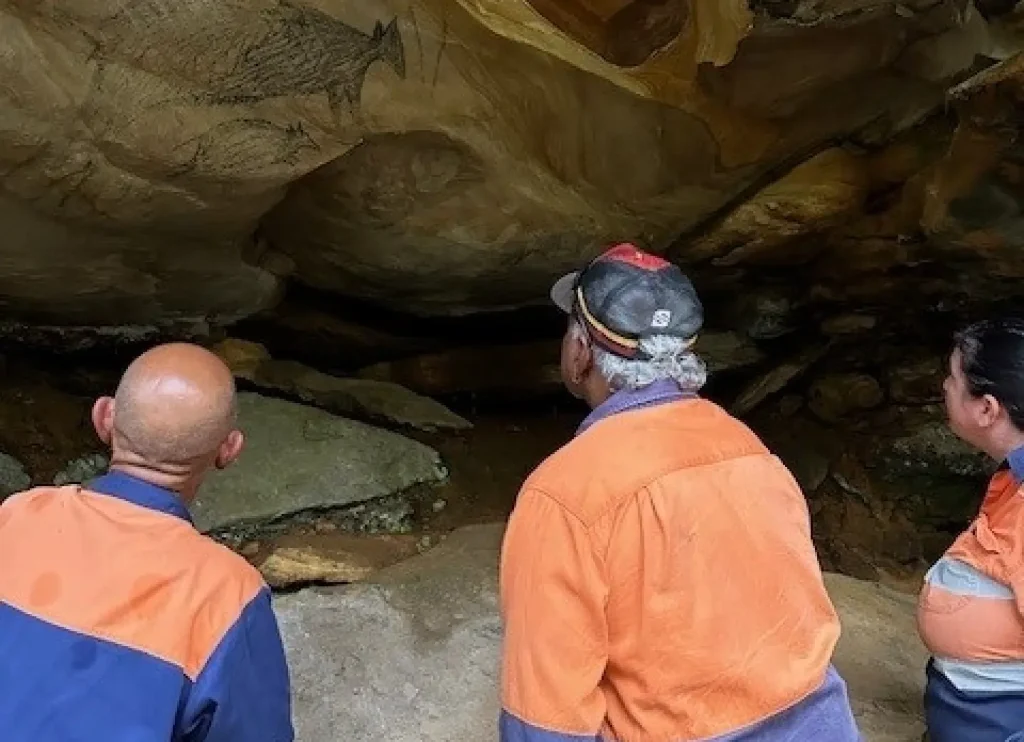
  • Cultural heritage is documented through detailed mapping and photography. 
  • Sites are regularly inspected with the involvement of Registered Aboriginal Parties (RAPs). 
  • Any newly identified sites are assessed and managed in consultation with Aboriginal stakeholders.

Conservation Contributions

Peabody continues to support important conservation outcomes through targeted environmental investments:

  • UNSW Platypus Conservation Program – $660,000 contribution
    Peabody is supporting the UNSW Platypus Conservation Program, which is reintroducing platypuses into the Hacking River in the Royal National Park. The program is successfully creating a self-sustaining population in the park.
  • Symbio Wildlife – $225,000 contribution
    Through a partnership with Symbio Wildlife, Peabody is funding the next phase of the Stuttering Frog reintroduction program in Royal National Park, where the species has been locally extinct for several years. This program represents an important step toward restoring the species in its former habitat.